
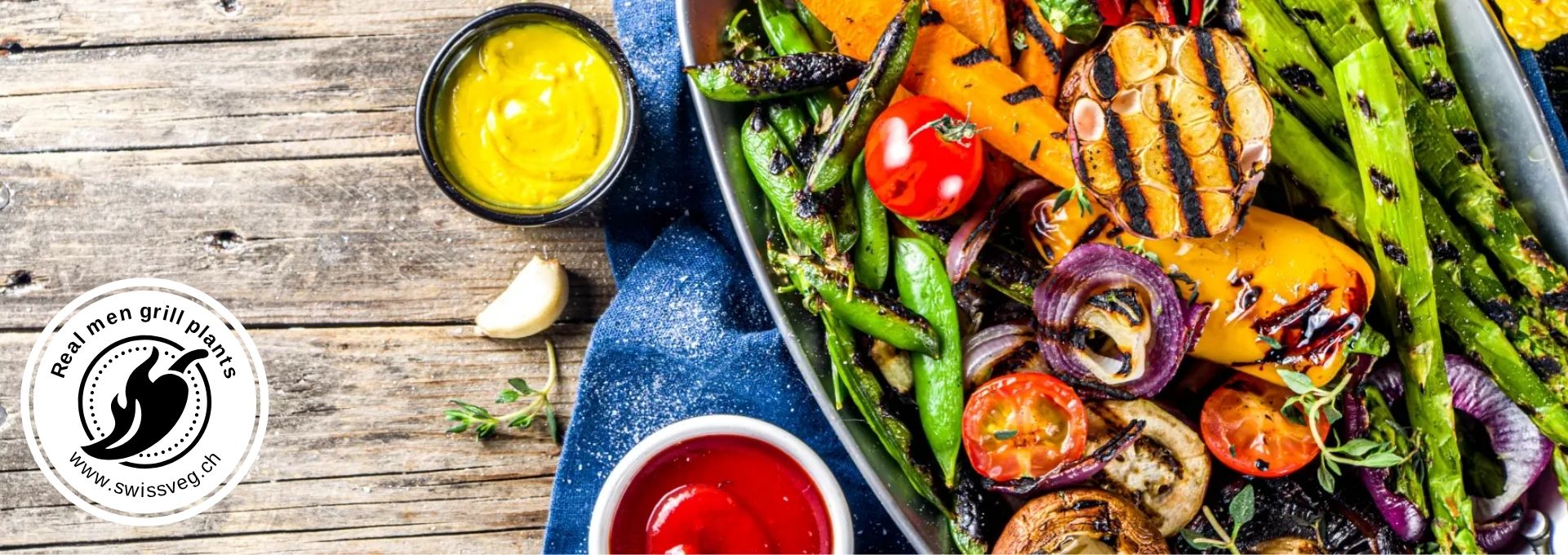
A cold drink in hand, the sun on your face, and the familiar smell of food on the grill in the air mark the beginning of summer for many people. Today, grilling is about far more than simply preparing food. It represents shared experiences, social gatherings, and the enjoyment of eating together. But what exactly happens when heat meets food? Where do the aroma, flavor, and appetizing browning we associate with grilling come from?
Why grilled food tastes so good
The characteristic flavor of grilled food is largely created by the Maillard reaction. This process was first described in 1912 by the French chemist Louis Camille Maillard. It occurs when amino acids, the building blocks of proteins, react with sugars as food is heated.¹ This produces hundreds of flavor compounds that are responsible for the golden-brown color and the distinctive roasted aromas. At the same time, texture and mouthfeel change, creating the savory, grilled sensation we recognize. Importantly, this reaction is not limited to meat. It takes place wherever the right components are present, including in plant-based foods. Whether baking bread, roasting nuts, or searing vegetables, the Maillard reaction is behind many of the flavors we find especially appealing.
Roasted flavors can be plant-based
Grilling shows just how versatile plant-based ingredients can be. Vegetables, tofu, and plant-based alternatives all provide excellent conditions for developing rich roasted flavors without any animal products. The grill quickly becomes a colorful mix of different shapes, textures, and ingredients. Our recipes and grilling videos with Thomas Glässing on our campaign page and social media channels show just how varied this can be in practice.
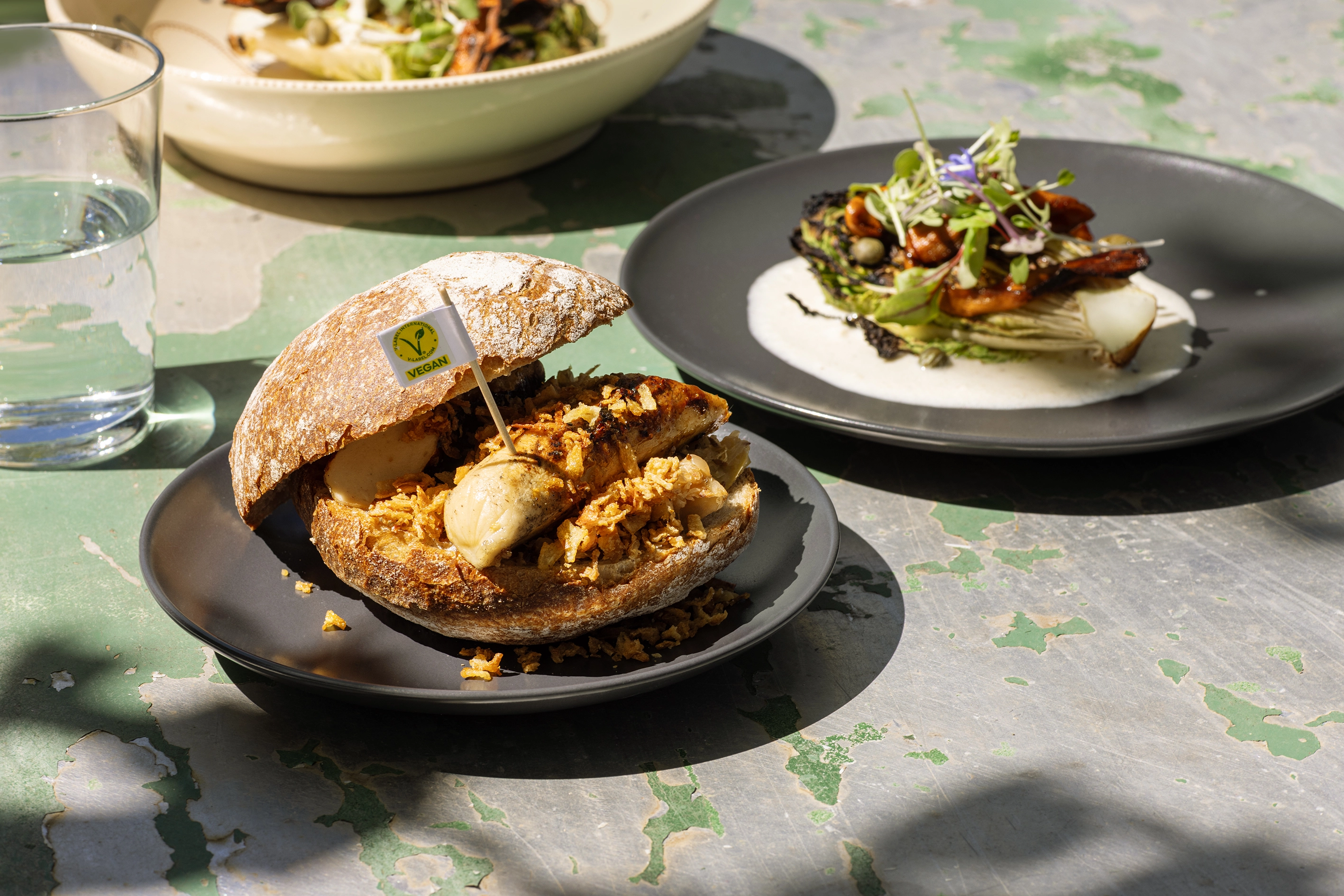
With a few simple tips, plant-based ingredients can really stand out on the grill. Vegetables such as zucchini, eggplant, or mushrooms contain a lot of water, which can slow down browning at first. Lightly salting them beforehand, letting them sit briefly, and then patting them dry helps a flavorful crust form more quickly. Thin slices or skewers work best over direct heat, while larger items like corn on the cob or whole peppers cook more evenly over indirect heat and stay juicy inside.
Marinades also play an important role in flavor. Combinations of oil, acid, and spices enhance taste and support browning. Ingredients such as soy sauce, miso paste, or tomato paste work especially well because they naturally contain sugars and amino acids that promote roasted flavors. Herbs, smoked salt, or a bit of garlic can further refine the taste. Firm tofu absorbs marinades particularly well if it is lightly pressed beforehand. Plant-based foods also have an advantage: they generally produce fewer heterocyclic aromatic amines, compounds associated with an increased cancer risk, than meat cooked at high temperatures.2
Enjoyment with awareness
Grilling is not just about taste. It is also about bringing people together. Many associate it with shared evenings, conversations, and enjoying different dishes. Plant-based ingredients offer plenty of possibilities. They combine well, bring a variety of textures to the plate, and make it easy to create a diverse grill menu. In this way, the grill becomes a place where variety and shared experiences come together, and where enjoyment can go hand in hand with a respectful approach to all living beings. Rich roasted flavors are not a privilege of meat. They arise from heat, the right ingredients, and a bit of patience.
- El Hosry L, Elias V, Chamoun V, Halawi M, Cayot P, Nehme A, Bou-Maroun E, 2025. Maillard Reaction: Mechanism, Influencing Parameters, Advantages, Disadvantages, and Food Industrial Applications: A Review. Foods, 14 (11), 1881. https://doi.org/10.3390/foods14111881
- Nadeem HR, Akhtar S, Ismail T, Sestili P, Lorenzo JM, Ranjha MMAN, Jooste L, Hano C, Aadil RM, 2021. Heterocyclic Aromatic Amines in Meat: Formation, Isolation, Risk Assessment, and Inhibitory Effect of Plant Extracts. Foods, 10 (7), 1466. https://doi.org/10.3390/foods10071466